

Dear Jerry is an advice column by Jerry Grimes. Readers can submit questions about materials, fabrication techniques, professional etiquette, lover’s quarrels, getting into grad school, whatever.

Q: Dear Jerry,
I saw that Art Forearm put out a call for pitches for its next issue. I've never pitched to a publication before. Any tips?
Signed,
Mr. Pitch Perfect
Dear Mr. PP,
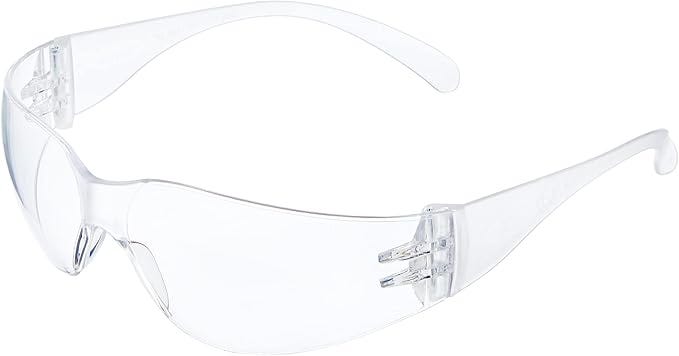
You’ve come to the right guy. Pull up a chair, put on your safety goggles, and let’s get into it.
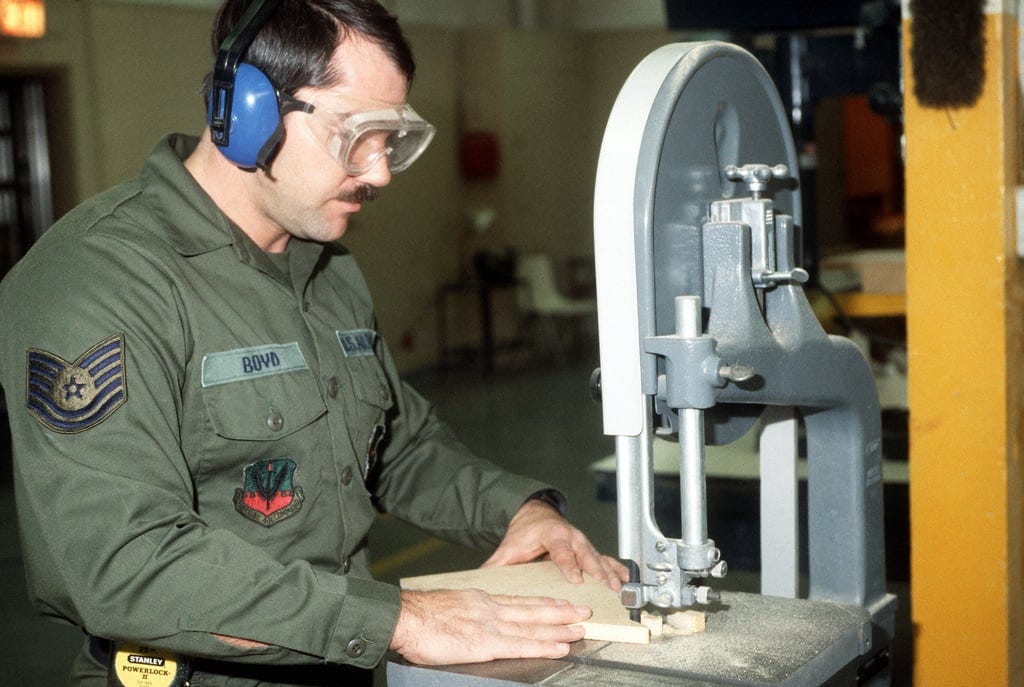
One, read the call. Read the submission guidelines. Read them again like they’re instructions for operating a band saw and you’d prefer to keep all your fingers. They wrote them for a reason. Help us help you.
Two, read some Art Forearm. I know, groundbreaking advice. But truly–get a feel for the magazine’s focus and vibe before you come in hot with something that belongs in a biennial wall text.
Three, experience is critical. I’m begging you–bring something from your forearms, not just your forehead. Instead of putting me to sleep with a “I’m interested in exploring,” try pitching a Technique Cast Study on, say, cold-forging scrap aluminum with improvised tools in a shared studio that definitely wasn’t rated for the kind of impact. Now we’re talking. I’m feeling the sparks!
The strongest pitches come from lived experience. Materials you’ve worked with, processes you’ve fought with, studios where you’ve spend some time, and the economic realities that come along with all of that.
Four, be specific. And anchor your pitch in one of the publications forms:
Material Deep Dive - where does this metal actually come from and who paid for that (in every sense)
Technique Case Study - a very particular way of doing something. Ideally learned the hard way.
Toolbox and Practice Notes - useful, grounded, no fluff.
Money Talk - what stuff actually costs. In time, labor, cash, sanity.
There are more kinds of features that just these. Like I said, read the guidelines.
If you can’t name what kind of piece you’re writing, I can’t either!
Five, include all the basics. Don’t send the editors digging. Make sure you say:
WHAT you’re writing about
HOW you’re approaching it
WHAT you’re revealing. AKA, why anyone should care.
If I finish reading your pitch and my only thought is “okay…but so what?”
We’re in trouble.
Six, here’s what you’re gonna want to avoid:
Big vague gestures toward “systems”
Theoretical name-dropping with no actual application. C’mon man. Boring.
Pitches that read like you’re interviewing for grad school.
You don’t have to make it seem urgent, global, catastrophic, or dripping in jargon. Art Forearm likes things that are matter-of-fact, situated, artist-centered, infrastructural, and materialist. Just use real talk.
A pitch abbott how you reuse metal offcuts in your studio? Great.
A pitch about extraction economies? I’m interested.
A pitch that floats six feet above my head not really touching anything? I’ll pass, and they will, too.
Also, no reviews, press releases, or dense academic abstraction. It physically pains me to type “dense academic abstraction,” so please don’t make me read about it.
If your pitch could be copy-pasted into a gallery press release, start over, friend.

Seven, be honest about your position. You don’t need to posture your way into authority, I promise. Tell me what you actually know, not what you think you’re supposed to know.
Eight, stay focused. Art Forearm articles are not that long. If you pitch “the history of iron across cultures,” I’m going to choke. Instead trace one supply chain, one workshop, one process, one problem. Zoom in until it’s sharp.
Nine, think about the reader. I’m serious. What can someone learn from your piece? What do they walk away with? Make sure it’s some knowledge, a method, some kind of shift in thinking.
Here’s a super simple pitch template (you’re welcome)
Paragraph 1: what the piece is, what it focuses on, and where it takes place
Paragraph 2: how you’re approaching it, what you’re revealing, and why it matters.
Then, briefly: why you? (not existentially–just the facts), estimated word count, any conflicts (yes, this is in the guidelines, yes, I know you read them.)
Hope this numbered word salad helps.
While the editorial board at Art Forearm might cringe when I say “on behalf of Art Forearm,” I genuinely want to see what you come up with.
And if METAL isn’t your thing, don’t worry. There will be another issue, another material, another chance to get it right. Or at least interesting.
Now go write something I actually want to read.
–Jerry

Do you have a question for Jerry? Ask him for his advice on art materials, fabrication techniques, professional etiquette, lover’s quarrels, vintage cars, applying to grad school, sandwich-making, international travel, or any other areas of life where you could use some advice or good news.