

Materials Watch is a feature that brings updates on shifting landscapes of material availability, toxicity, sourcing, or innovation. This may include supply chain collapses, new sustainable alternatives, legislation affecting art materials, or discoveries in conservation science.

Printmaker Angee Lennard shares the challenges and rewards of developing her own ground recipe, while reflecting on broader concerns about the decline of traditional materials, the limitations of synthetic alternatives, and the importance of maintaining deep knowledge of one’s materials.
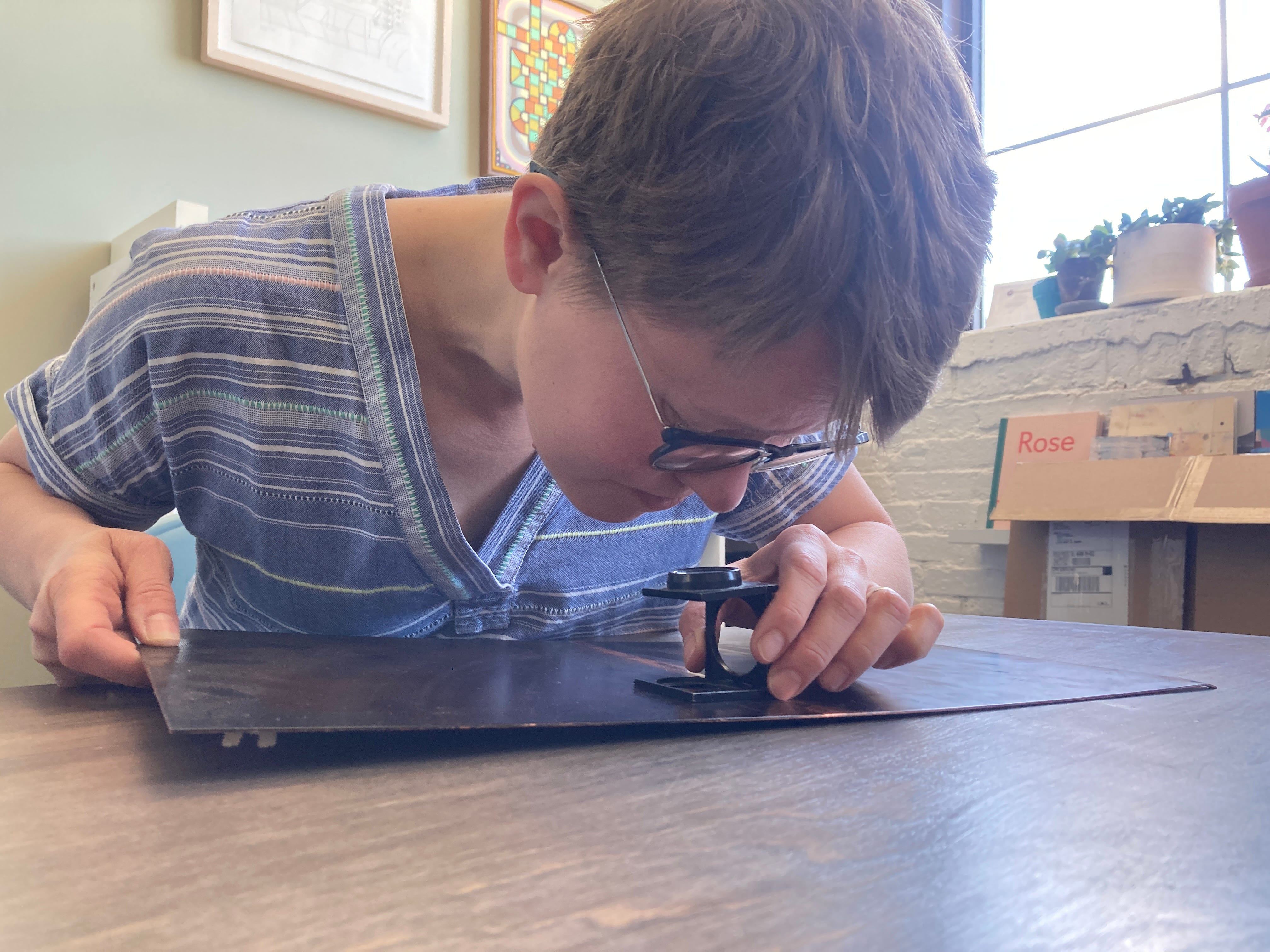
To “cut into” and “to engrave.” In the Italian language, the verb intagliare describes such actions. The printmaking process we know as intaglio derives its name from that very word.
It is easy to understand why. Intaglio is a family of printmaking processes in which one creates an image by incising marks into a metal plate. The plate may be incised with a burin (engraving) or scratched with a needle (dry point), or produced with a solution known as an “etchant,” like ferric chloride, that erodes the plate’s surface with a chemical. When it is time to print, the plate is run through the press under high pressure. This pulls the ink from the marks and grooves.
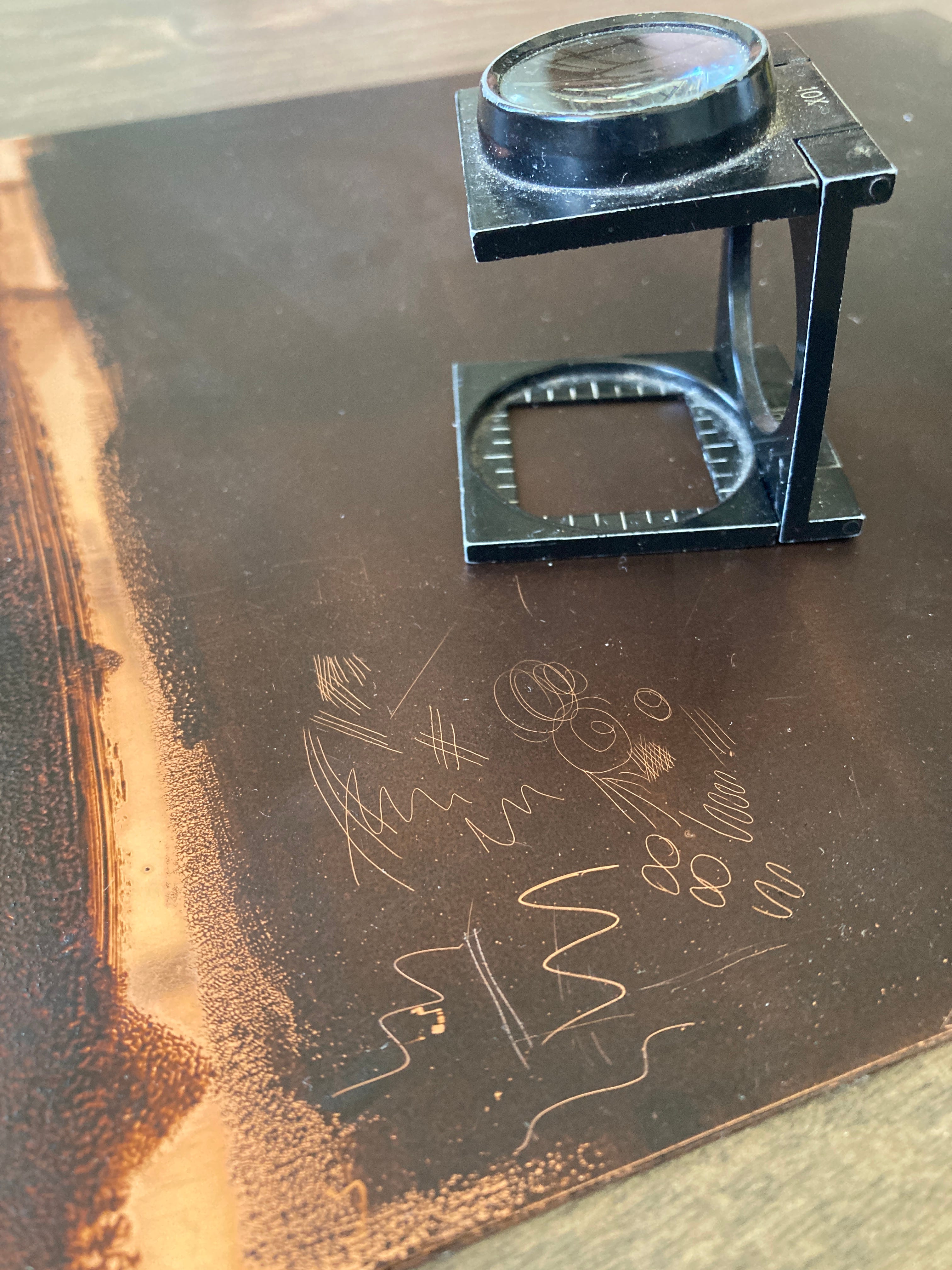
Readers of Art Forearm may remember a recent article on ground in painting, which is essentially a layer between the support (i.e., canvas) and the paint. In intaglio printmaking, a coating on the plate called “ground” is crucial for creating a printable matrix capable of producing a vivid image. This story is of my own recent adventures in making ground, specifically hard ball ground, of my own. But first, here are the basics of what this stuff is and why it is so important in printmaking:
“Ground” refers to the coating added to a metal plate that protects the plate when it is submerged in a chemical bath. An artist draws through the ground with a scribe to expose the metal underneath. The longer the plate sits in the bath, the more the chemical will corrode the artist’s marks. This creates recessed lines that hold ink.
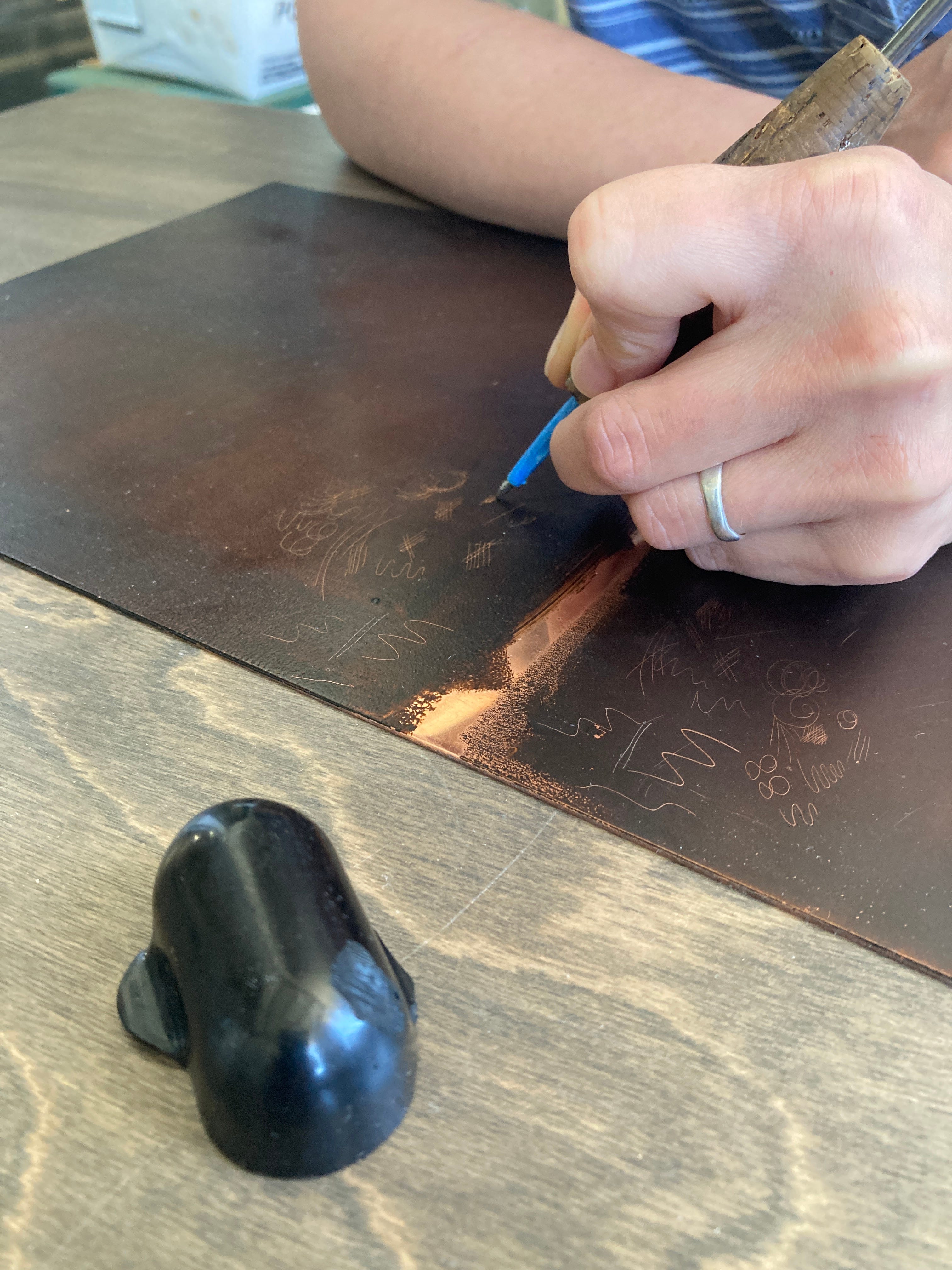
As the term “ground” might imply, this humble material is the foundation of the alchemical intaglio process. By the time we see the printed edition, the ground is long gone. And yet, the printed image is the direct result of the ground. As I have learned in decades of working with artists, the ground must capture the artist’s mark with fidelity, and a perfect printed impression requires a perfect etch. Over the years I’ve had to get up close and personal with the ground—and more recently, this has meant making my own.
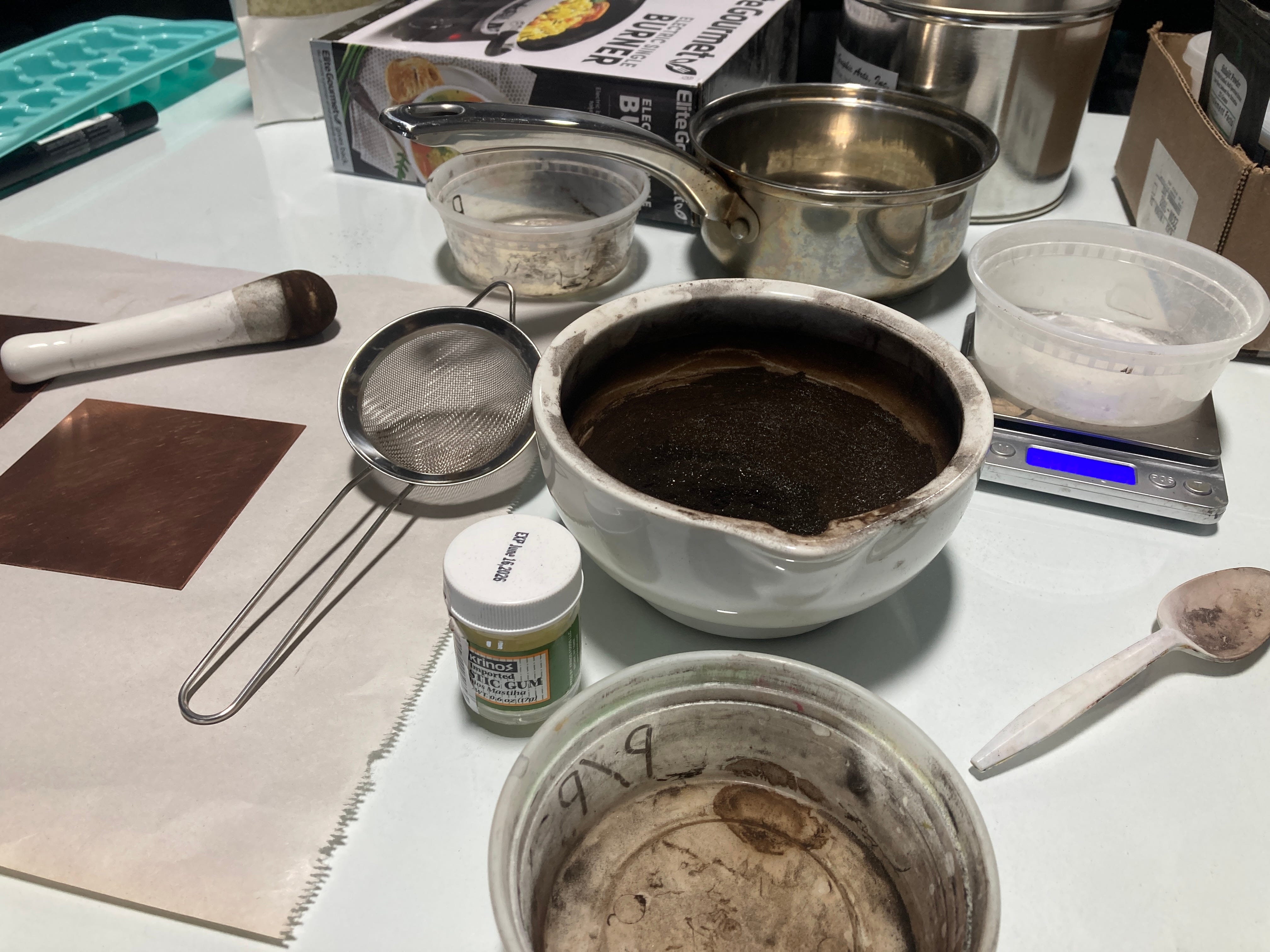
These days it is rare for printers to make their own ground, or even know what’s in it. But I am far from the first artist to do this! Grounds have been in use since the sixteenth century, when printmakers like Jacque Callot and Rembrandt made their grounds in-house. They tweaked the formula to meet their needs based on the availability of ingredients.
The fine art printmaking industry is presently at a tender moment where there is a push to develop nontoxic materials that clean up with water, yet these new, often polymer-based materials tend to lack the versatility and control of the traditional formulas. In other cases, mom-and-pop manufacturers are struggling to sustain their businesses. As a result, the range of options on the market is shrinking, and inventory is spotty.
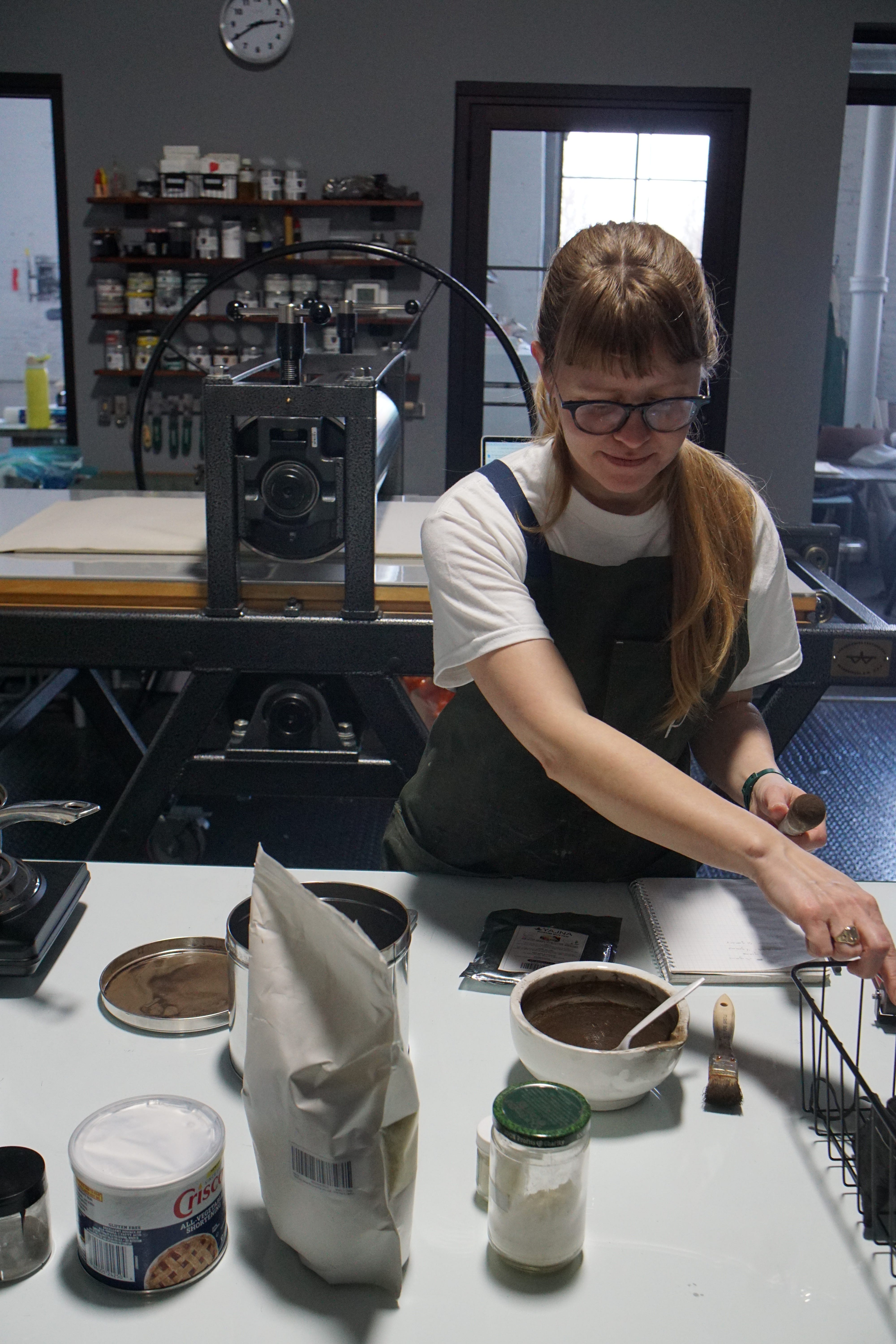
My story with ground:
In 2025 I began collaborating with Chicago-based artist Scott Stack on an intaglio edition. Optical, linear, and incredibly detailed, Stack’s work requires incredible precision, and I found myself needing a ground that I couldn’t find on the commercial market. Because the success of this print relied on impeccably consistent line work, the ground needed to hold crisp lines without scuffing or flaking.
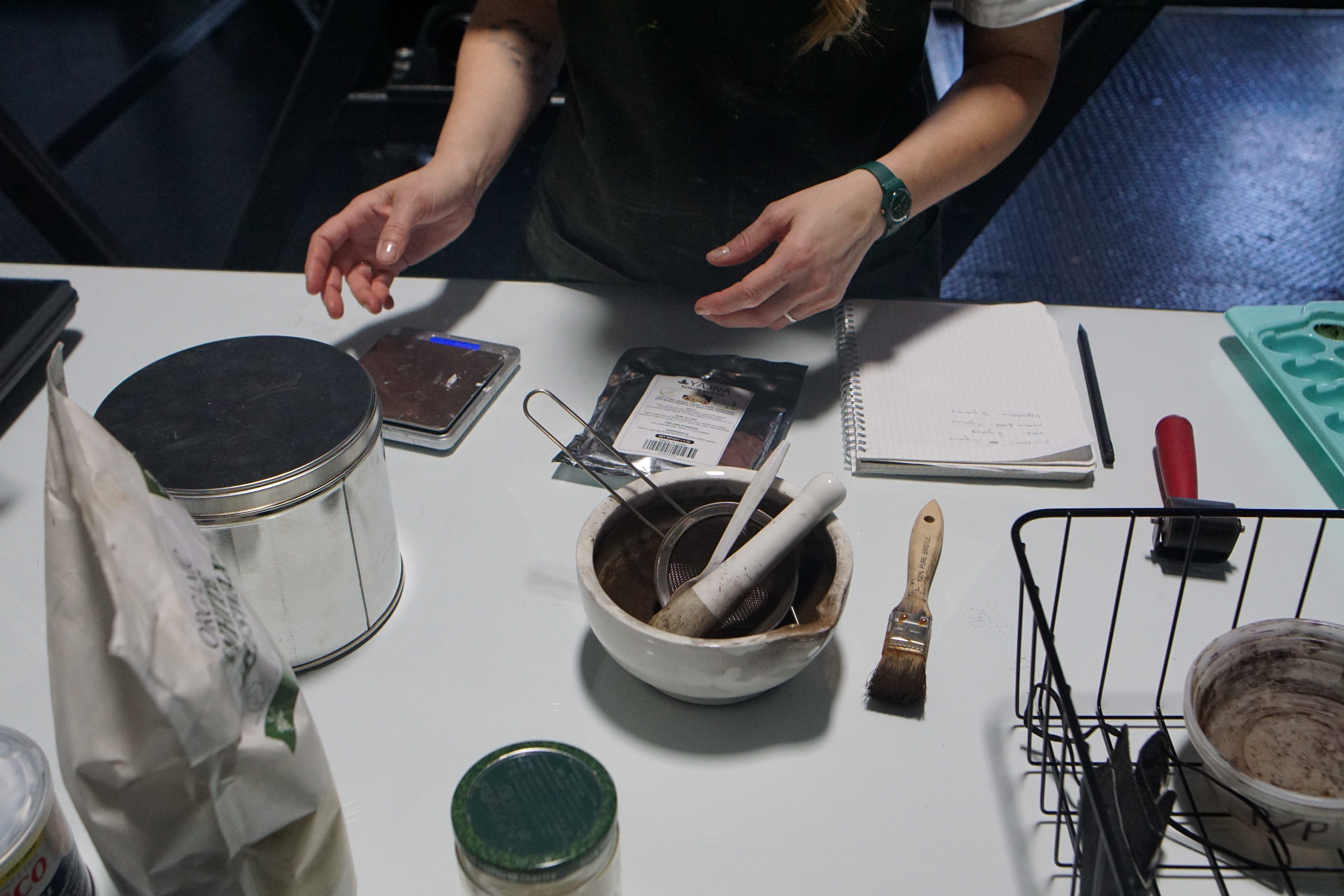
A high-quality ground will break down in the chemical bath, but in a very gradual and consistent way. Breaking down too aggressively causes “fowl biting”—little pock marks across the plate. Yet if the ground doesn’t break down at all, the etched lines will not widen with time. They will remain faint, regardless of the length of the etch.
Instructions and recipes for ground are difficult to find, so I began by reading manufacturers’ listed ingredients, which include wax, asphaltum or judea bitumen, and various types of resin. Newly developed printmaking materials often foreground their nontoxic quality, and yet they are frequently composed of inorganic synthetic polymers that cause their own environmental or health impacts. In contrast, the ingredients of traditional ground are raw, of-the-earth materials: wax is produced by bees, and resin is harvested from pine trees. Today, we get asphaltum as a petroleum-refining byproduct, but it was originally collected from naturally occurring tar pits.
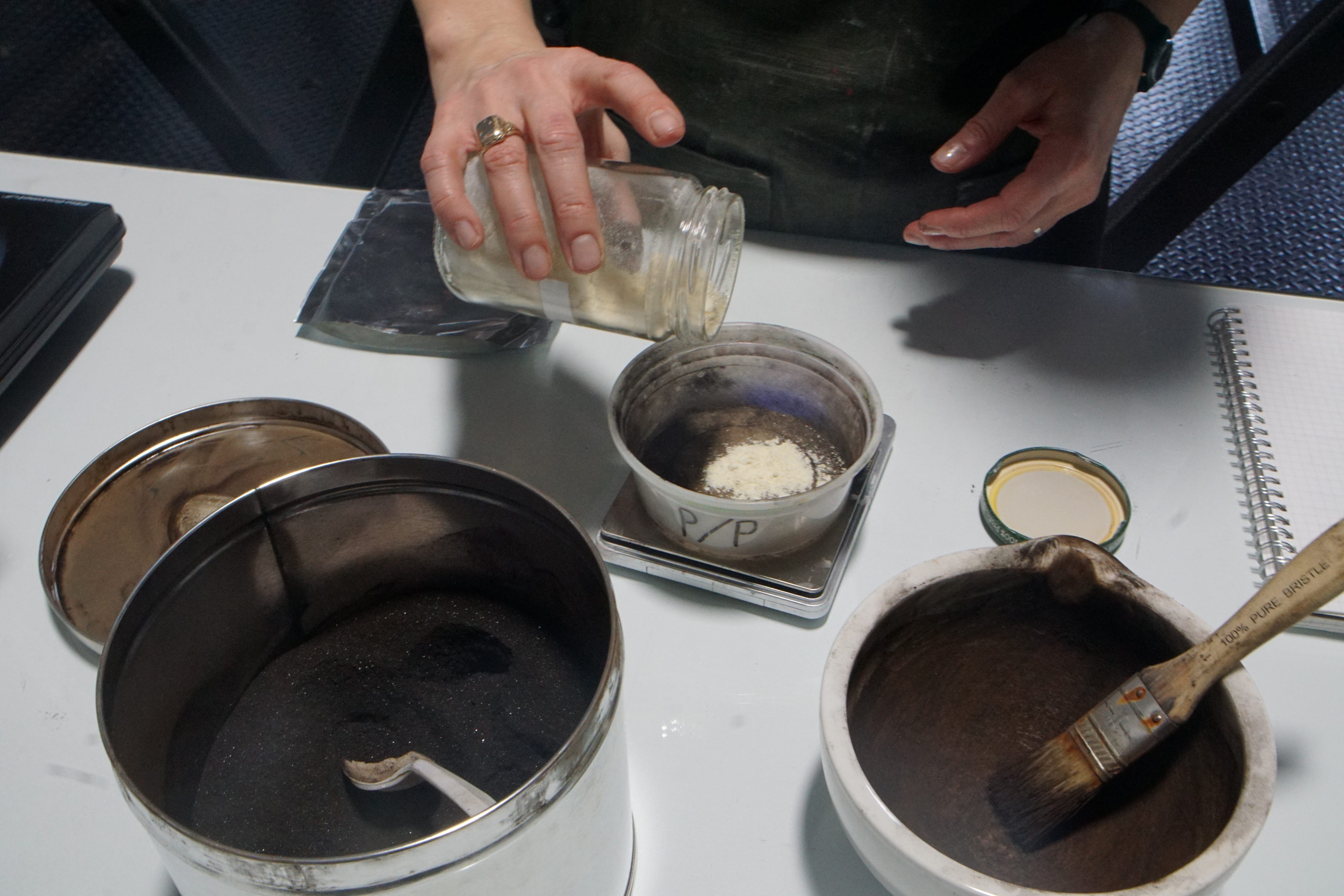
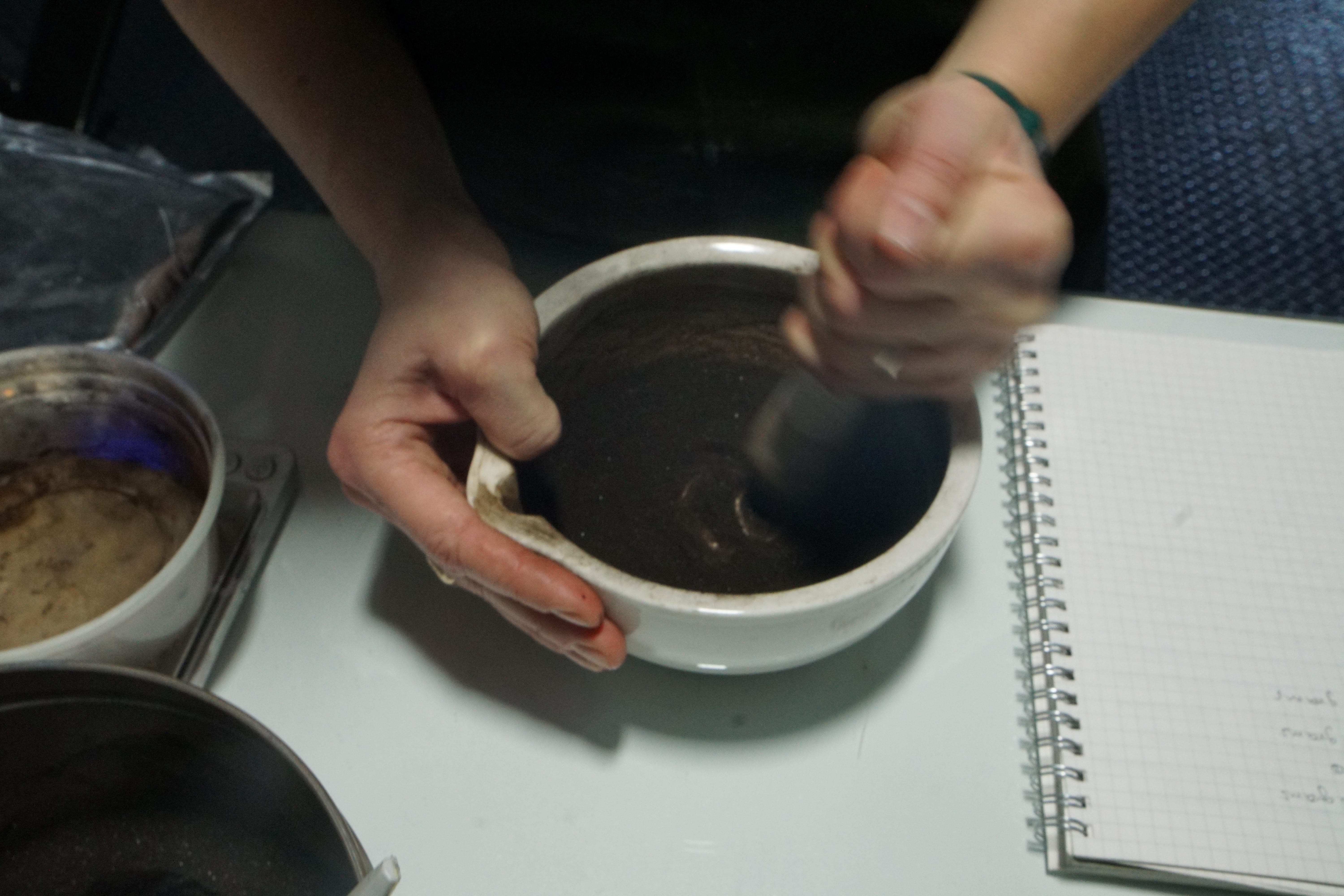
At this stage, I began toying with ratios, which led me to deeply consider what quality each material offered the final product. The asphaltum offers chemical resistance. The resin provides tack, allowing the heated ground to be applied with a roller. The wax allows the drawing needle to move smoothly through the ground. It adds a touch of plasticity, which prevents chipping and cracking.
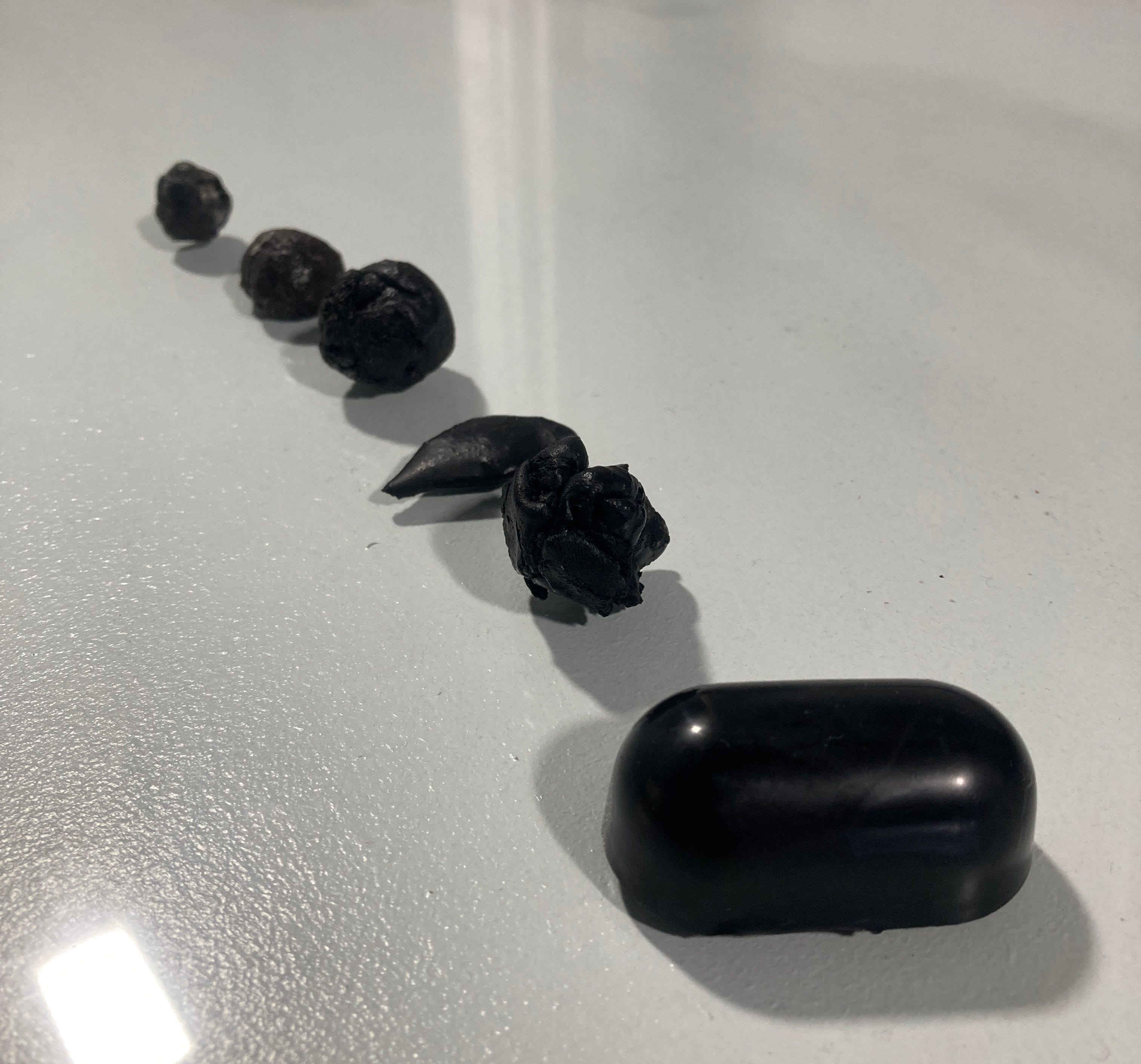
My first few attempts were nothing short of terrible! Think “black lumps floating in melted wax.” Yet these attempts were helping me home in on what each ingredient was offering to the formula. I attempted a scientific approach, altering one ingredient at a time, with a close comparison between the prior attempt and the new result.
After many trials, I arrived at the “final formula.” My homemade ground was performing better than the commercially available ground. I then began using my “in-house” ground for collaborations with artists!
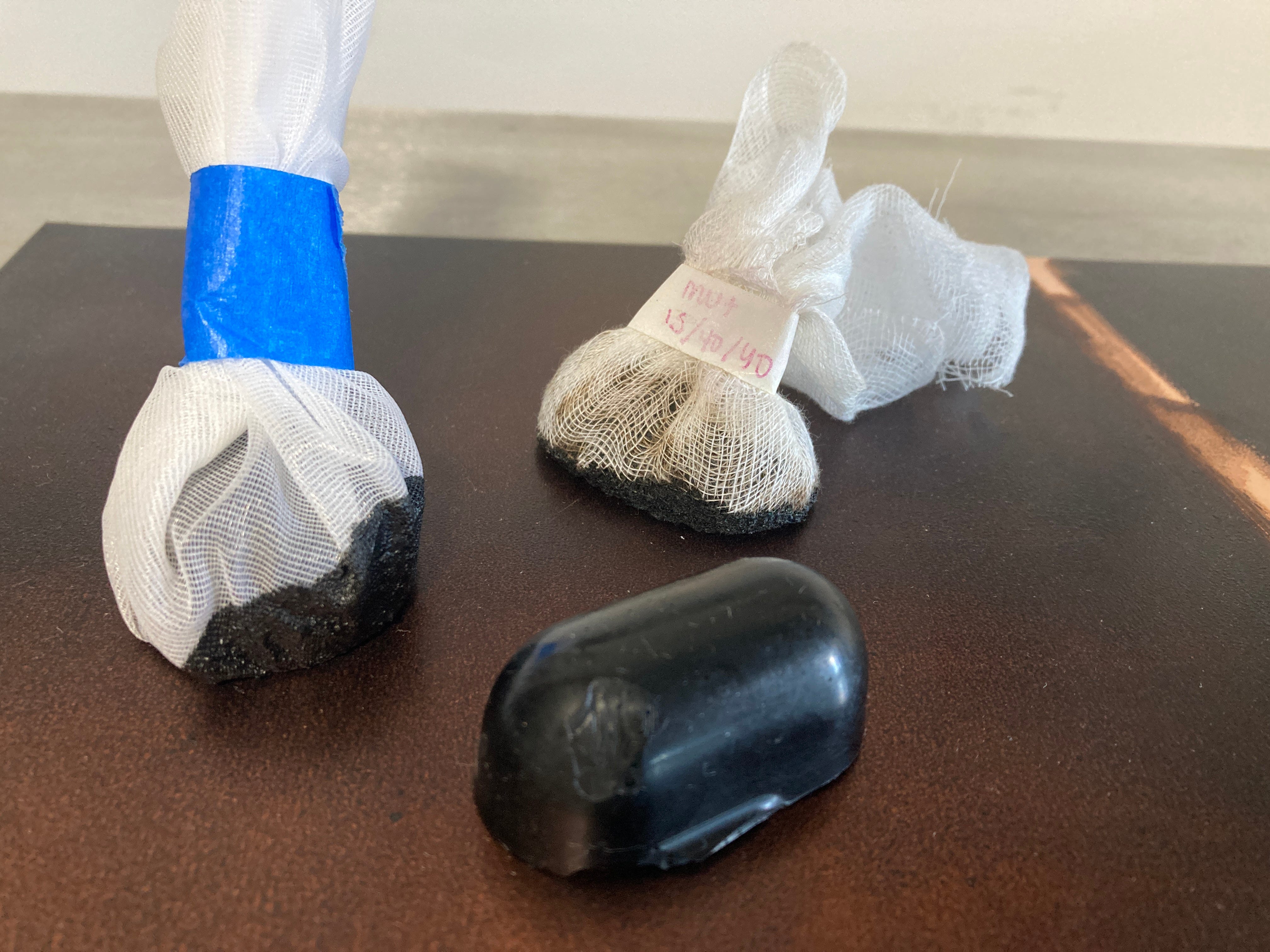
Sadly, this is not the end of the story.
My initial excitement quickly waned. After a few successful applications, I began to have issues with applying the ground. I struggled to get the ground to roll on the plate, as it wavered between chunky and slick. In my attempt for a smooth surface, I would overwork or overheat or underheat, or over-then-under-then-overheat the ground. Round two of material exploration began. This time, with more focus on sequence (the order in which the ingredients are added), time (how long each ingredient is heated), batch size (is there enough in the pot for even heating?), temperature (both when making the ground and when applying the ground), storage (is it “shelf stable”?), and technique at each step of the process. I realized I was under the influence of the Dunning-Kruger Effect: the illusion of mastery that beginners often experience after acquiring a new skill but before fully understanding the vast network of complexities, nuances, and potential failure points of that skill.
The work continues.
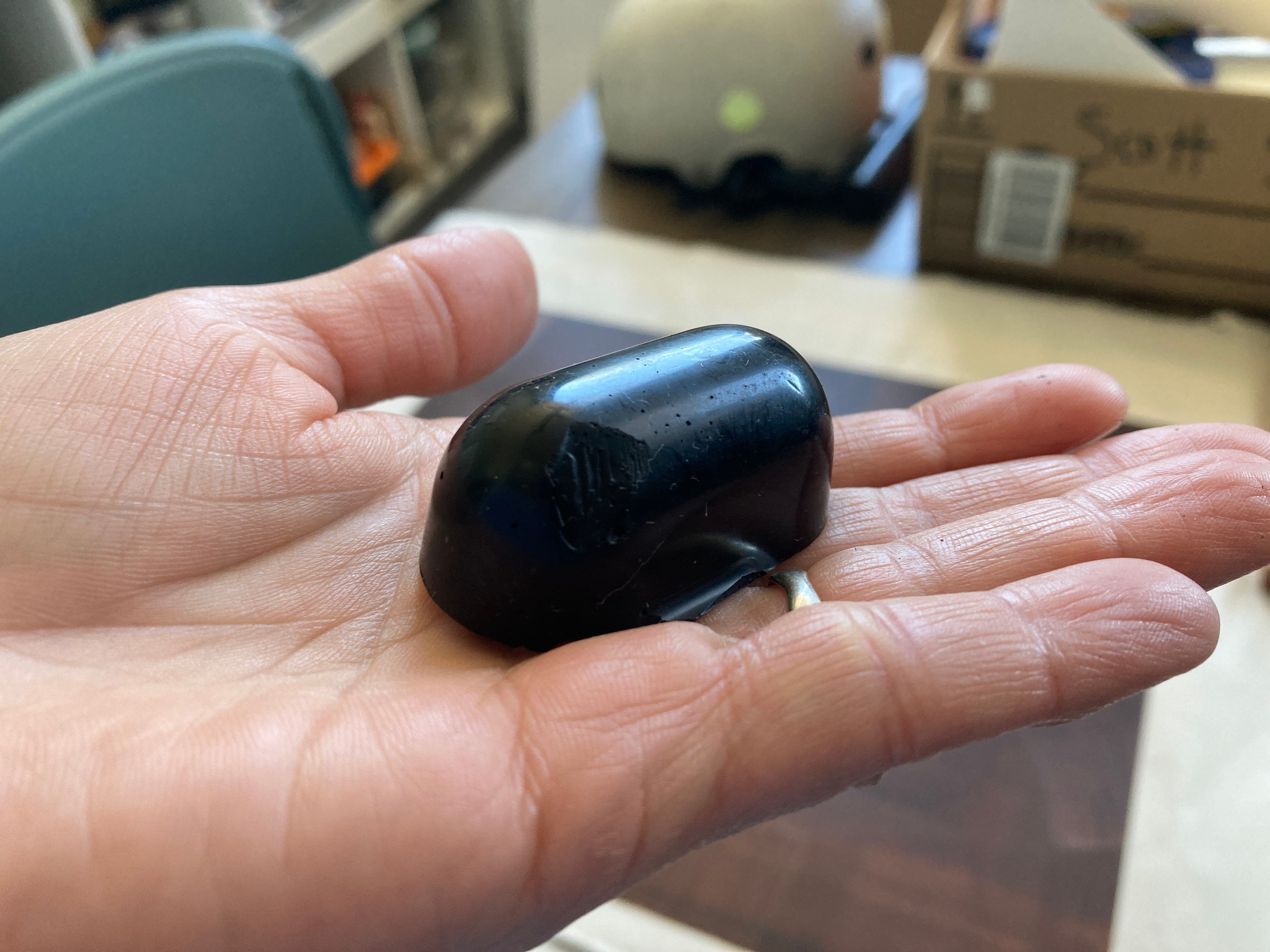
So while I am back to occasionally using commercially available grounds, I am continuing my quest to develop my own recipes and process of production. Why? I am now in awe of my predecessors’ familiarity with their materials, and I believe that in time, I will be able to produce a superior ground than that which I can purchase. I also fear the overreliance on commerce to decide what materials make it to the marketplace, and I know that honing this skillset and material familiarity will ultimately make me a better printer.
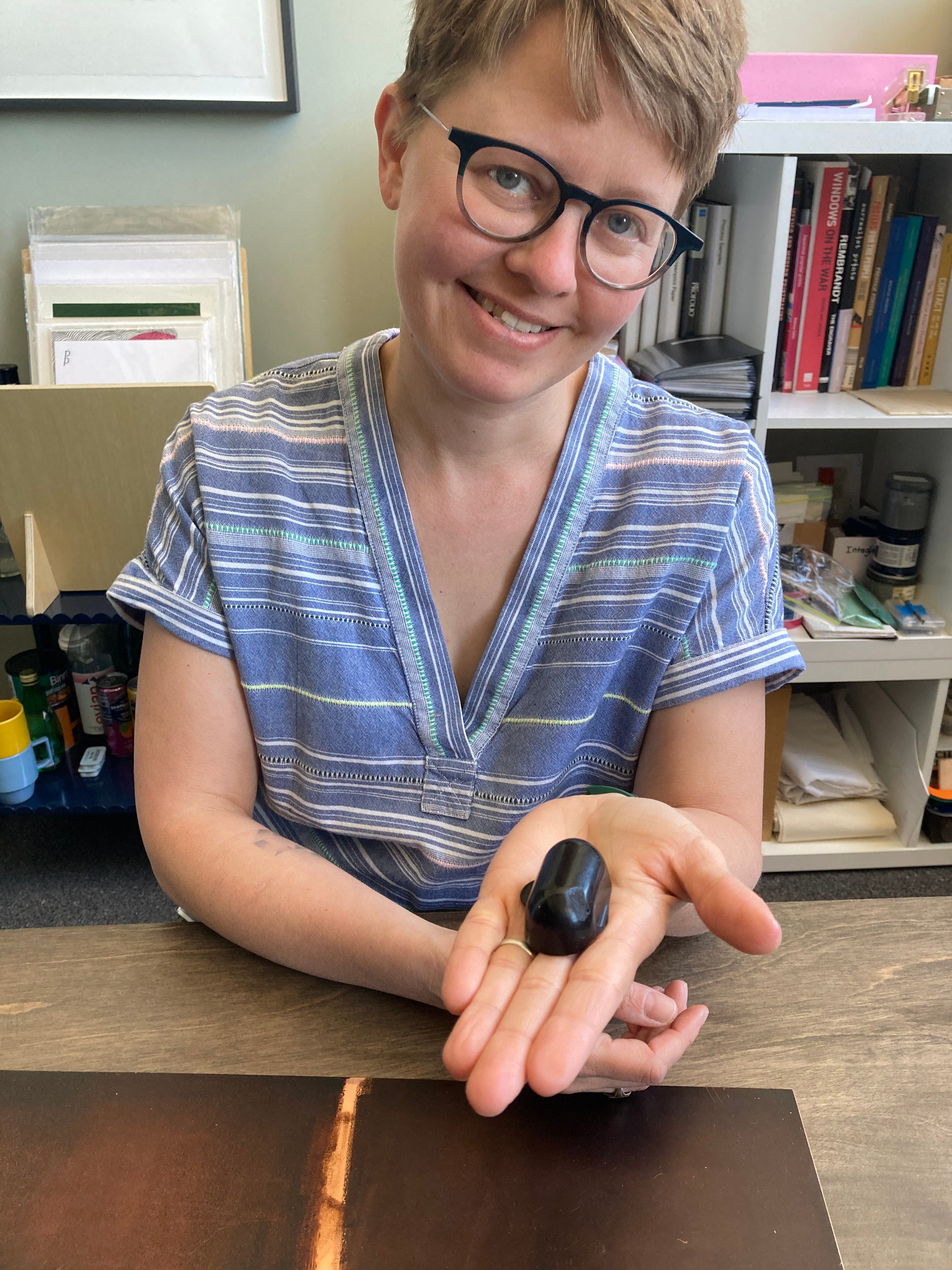
Sample Recipes:
First Attempt
1 part pine resin
2 parts white bees wax
1 part judea bitumen
1 part vegetable shortening (in lieu of tallow)
Current Recipe
15% finely ground pine resin
40% white bees wax
5% mastic gum
40% asphaltum

Angee Lennard is a printmaker, arts leader, and educator. Her captivation with prints began in 2001 at the School of the Art Institute of Chicago, and it deepened through a transformative internship with Anchor Graphics which introduced her to collaborative print publishing.
Lennard founded Spudnik Press Cooperative in 2007 as an provisional volunteer-run community printshop which gradually grew into a dynamic open access studio with artist residencies, education, exhibitions, invitational publishing, and ever-evolving collaborative projects and public programs.
After leading the organization for fifteen years, Lennard shifted her focus to collaborative cross-disciplinary projects and launched Process/Process in 2024. This editions program meets and builds the market for prints by moving the ideas and processes that drive an artist’s practice into the realm of the printed edition. As partner and printer, Angee has developed adventurous projects with contemporary artists including Candida Alvarez, Alex Chitty, Kay Rosen, and others.
Alongside print publishing with Process/Process, Lennard is the co-founder of Campfire Printing Press, a co-working art studio centered around printmaking processes in the Heart of Chicago neighborhood.