

Tether is a video essay that began as a simple experiment: a camera lifted into the air over the Wendover Salt Flats by a weather balloon, tethered to the ground by a string. The video essay situates this footage within the history of Wendover, where the bombsight for the atomic bomb was developed during World War II, and examines how framing operates in both military and artistic contexts. At its core, Tether challenges the idea of a “god’s-eye view” as neutral or objective, asking what is lost when a place is understood from above without maintaining a connection to the ground it surveys.
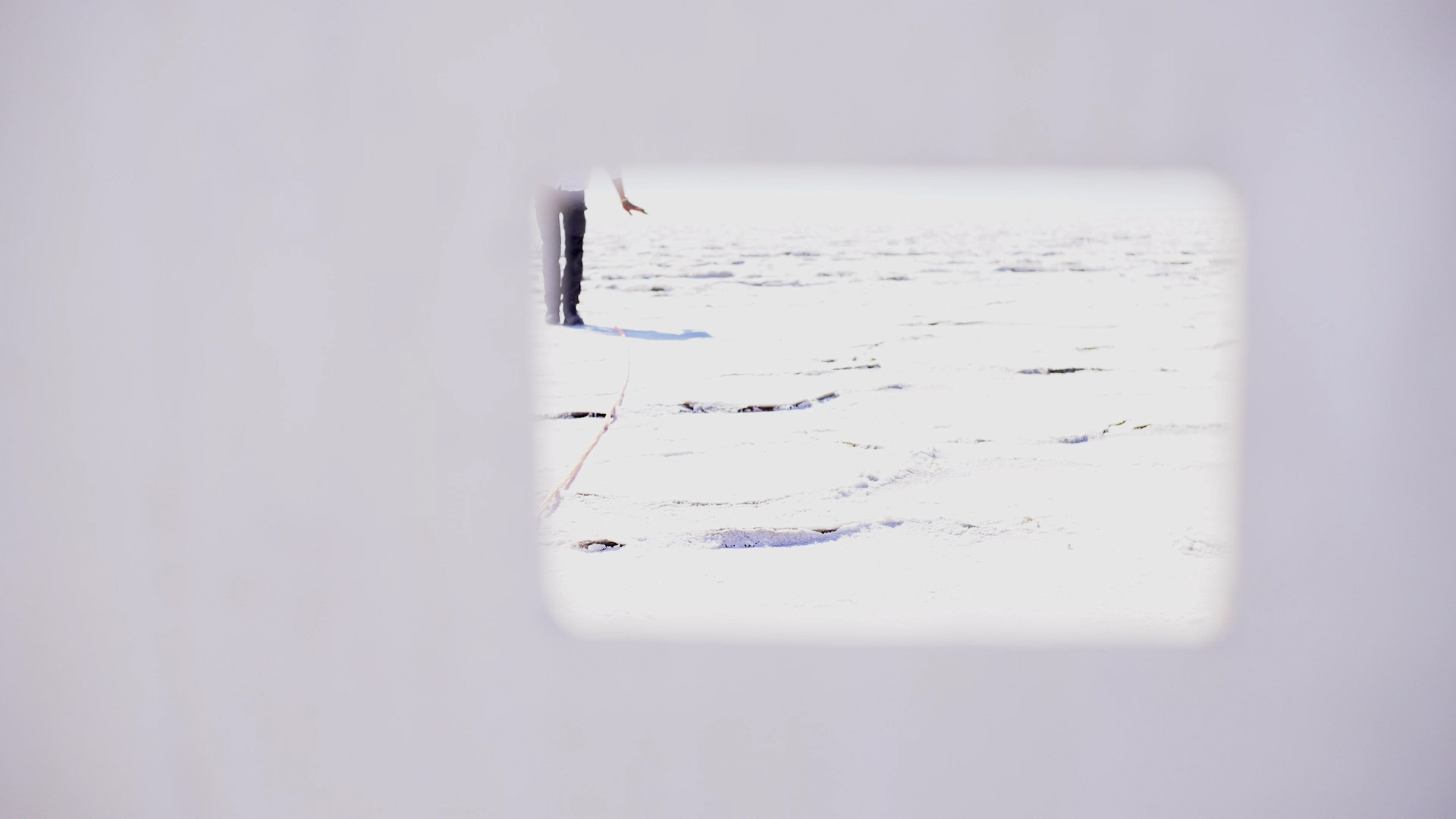
I’ve been thinking about the Bonneville flats…and speed.
The fastest time recorded on the flats was in 2020, with the Speed Demon Streamliner, but if jet engines are included, the record reaches back to Craig Breedlove, in 1965, in this car, The Spirit of America, 600mph, racing across the flats.
In Wendover, this jet fuel desire for speed is the strange stepson of the Air Force presence. Both use the supposed emptiness of the desert as a playground of the machine.
The Wendover Historic Airfield Museum says it was for American glory. But when I look at the faces of the smiling pilots in the archival photos, I read something more like escape. Not in a nationalistic sense, but a personal hunger—
a desire to shed an earthbound weight.
The salt flats offer a certain kind of frame. A space where ground is brighter than sky, so our orientation is flipped.
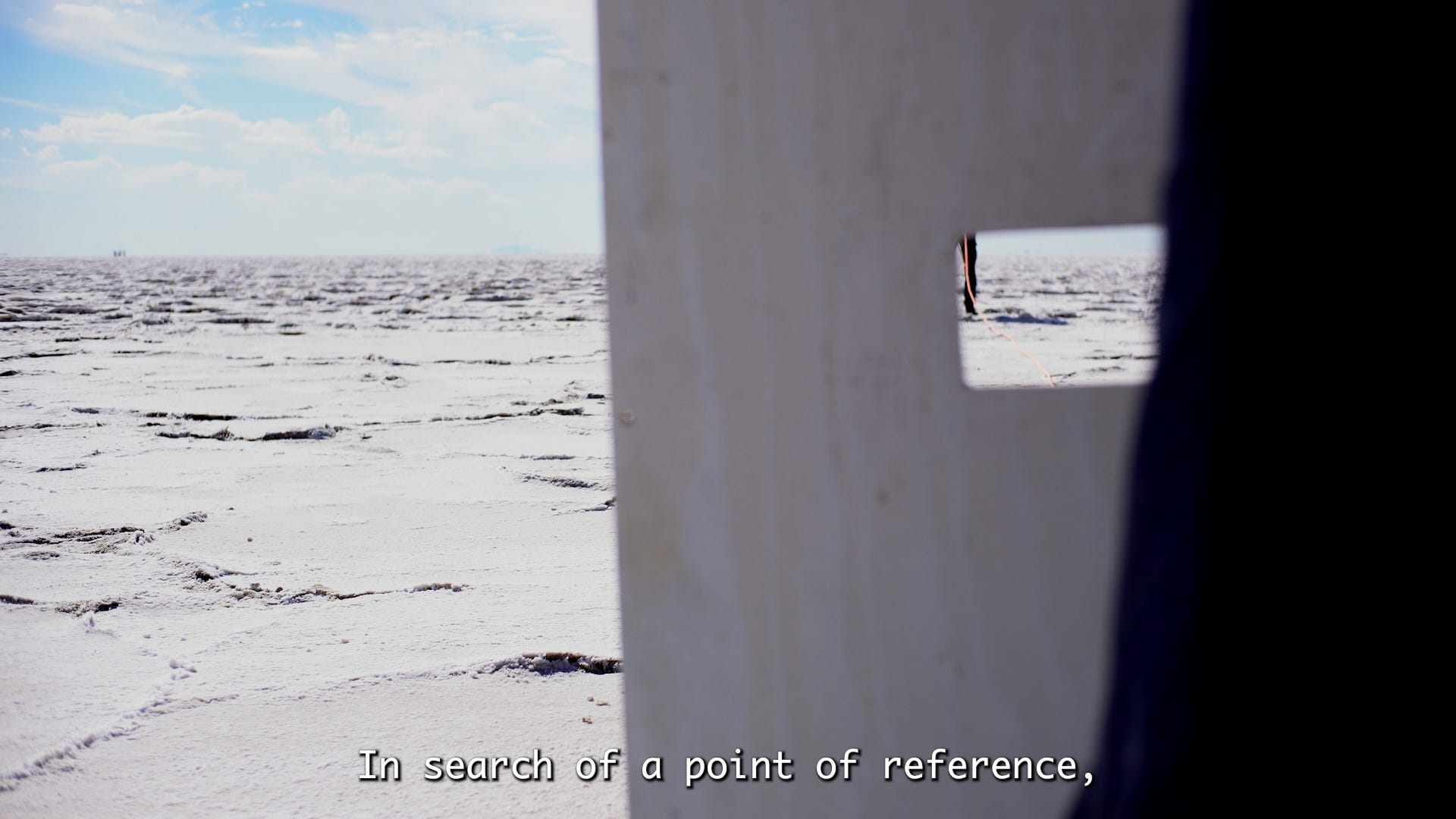
In search of a point of reference, it has been described as an alien landscape or a white gallery wall, turned flat; in either form, we are out of context.
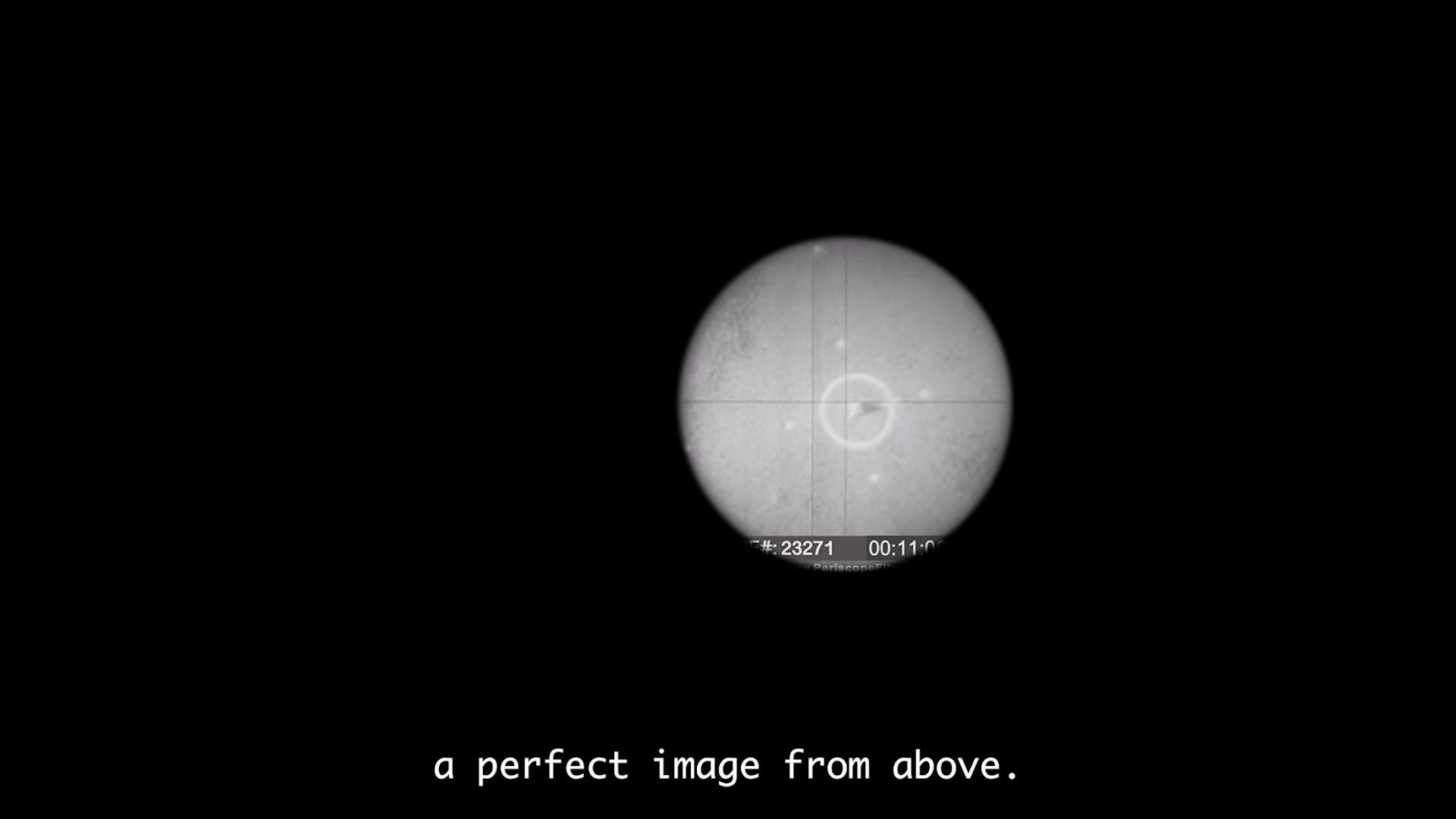
Drawing targets, the white surface was used in the nuclear project to develop the Norden bombsight—a viewing device deemed top secret, with bombardiers sworn to defend the device with their lives.
The bombsight was a certain kind of frame. A device engineered to make the shifting world below appear fixed—still—calibrated to draw a single accurate line from air to target below.
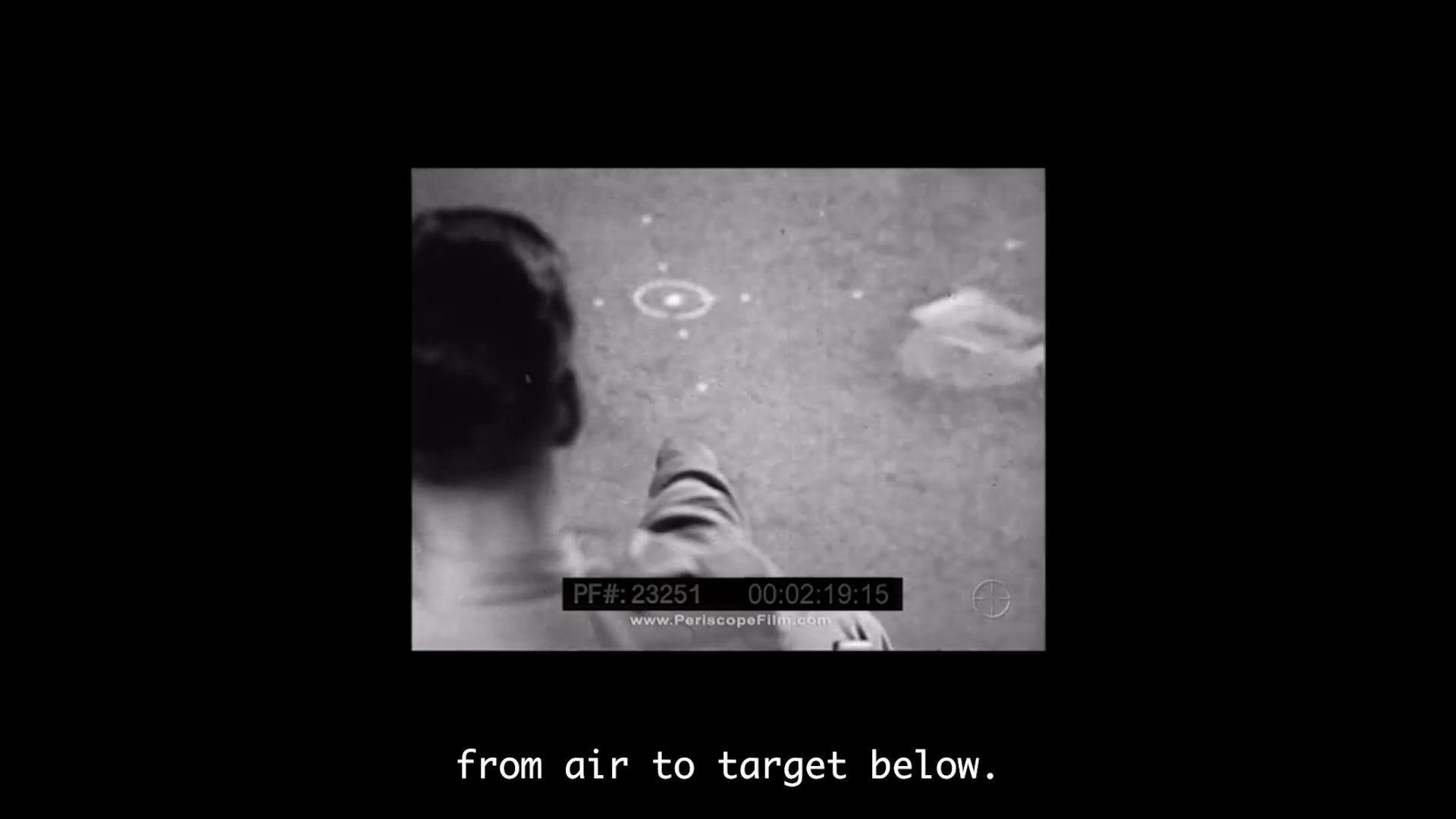
The tool anticipated error in every environmental variable—wind, gravity, the curvature of the earth—each one calculated so it could be controlled.
But in its development, a glitch surfaced: even with the calculations correct, the bombs landed hundreds of feet off their mark. The error lived in the final seconds in the bombardier’s body: the small lean into the viewer, the subtle shift as the man took a breath.
At high velocity, true precision would require a kind of self erasure—where the bombardier’s pulse slowed, breath subdued—until he moved as an extension of the device itself.
It’s a seductive fantasy, that with the body erased, and environment controlled, an objective view could be reached—a perfect image from above.
I am reminded of Yves Klein’s leap—where his fall was transformed into flight. The image was a trick, made by combining multiple exposures to hold Klein in the air, arms outstretched, street steady beneath him.
The camera offers here the same promise as the bombsight—that with the right frame, that with the right frame, the world can be made orderly, weightless, perfected.
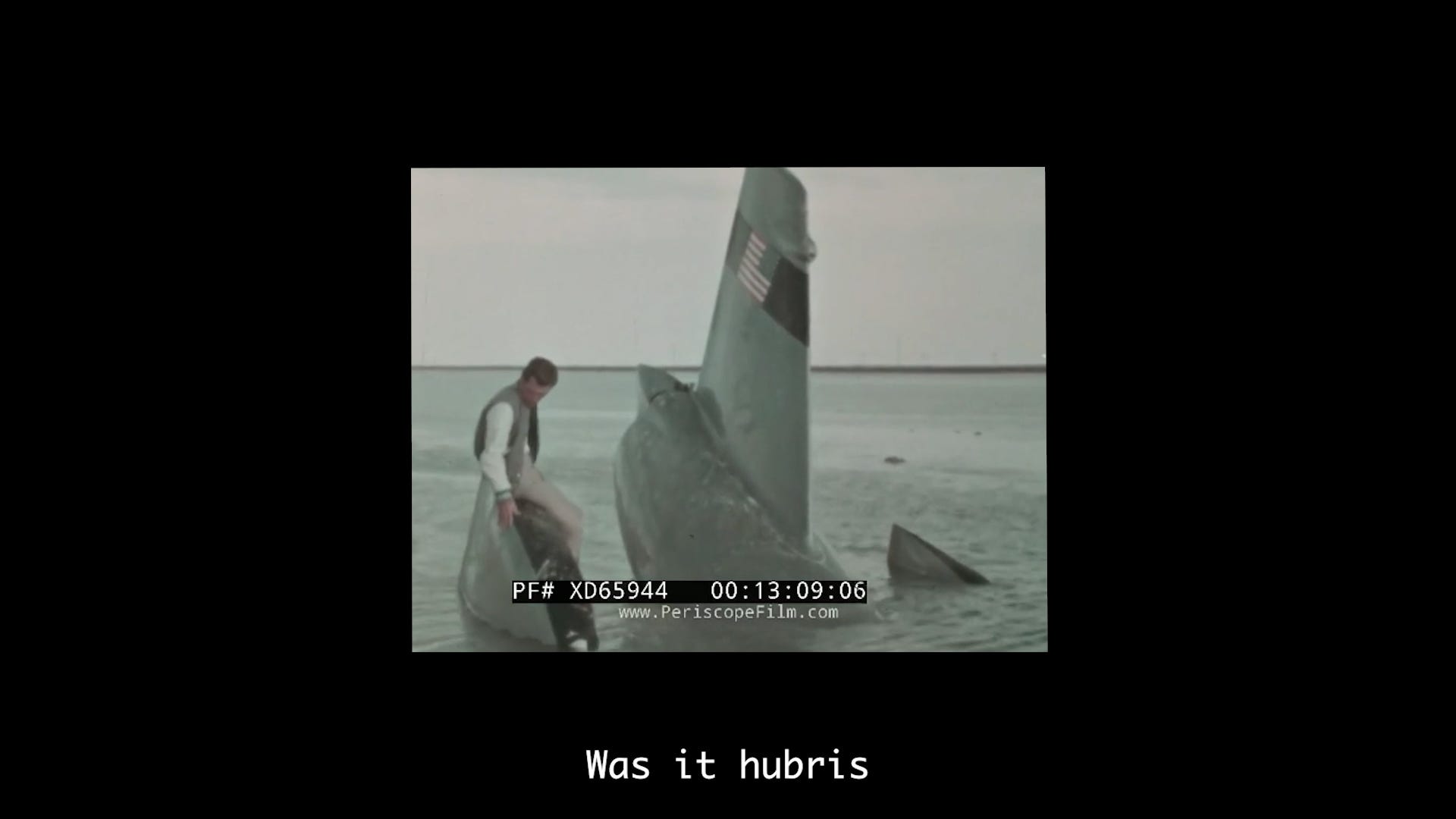
What was in Klein’s need for the void? Was it hubris or curiosity? Either way, a certain delusion is required.
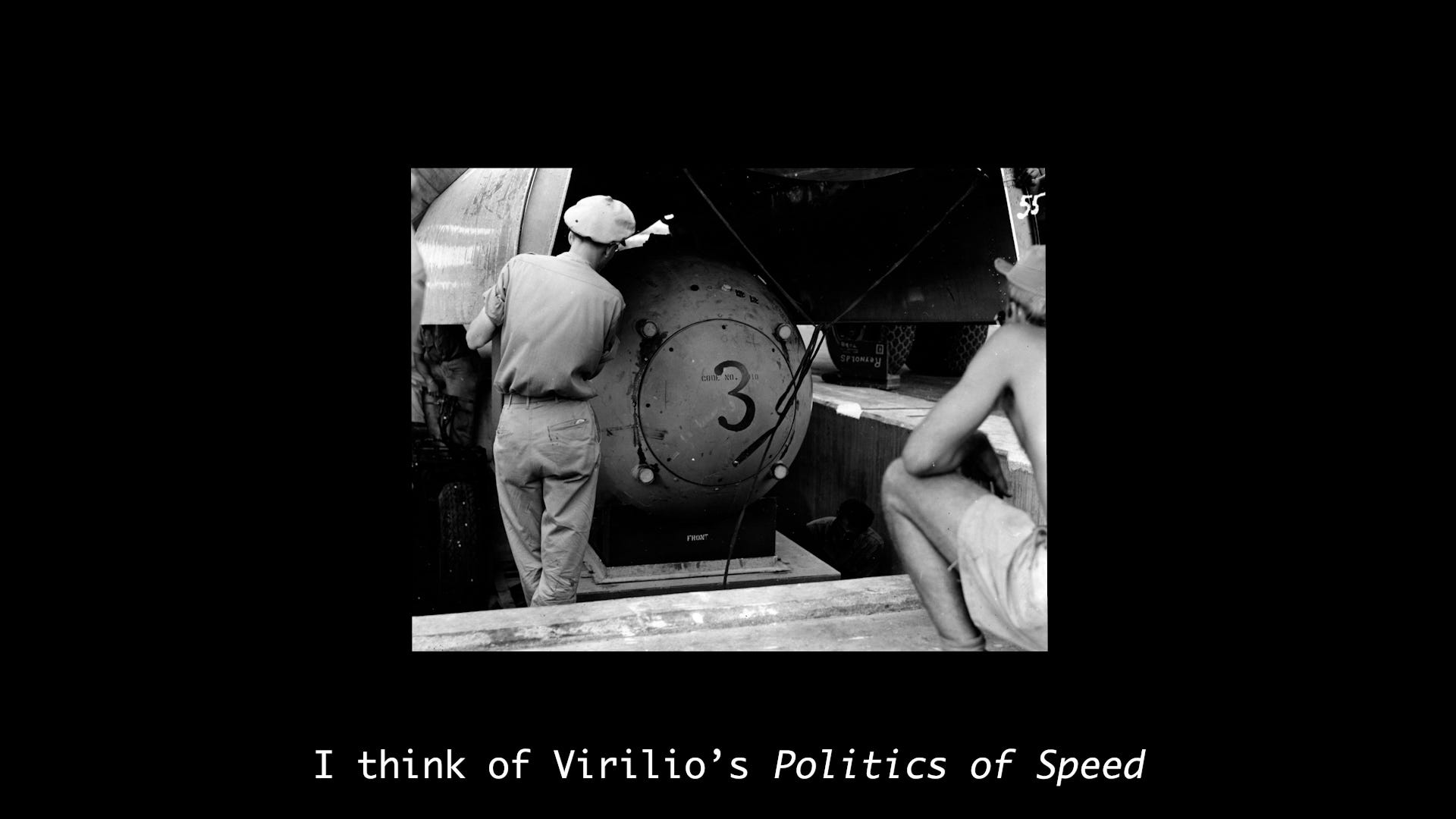
Standing a quarter mile from the bunkers used to load the atomic tests, I think of Virilio’s Politics of Speed—when you invent the ship, you also invent the shipwreck.
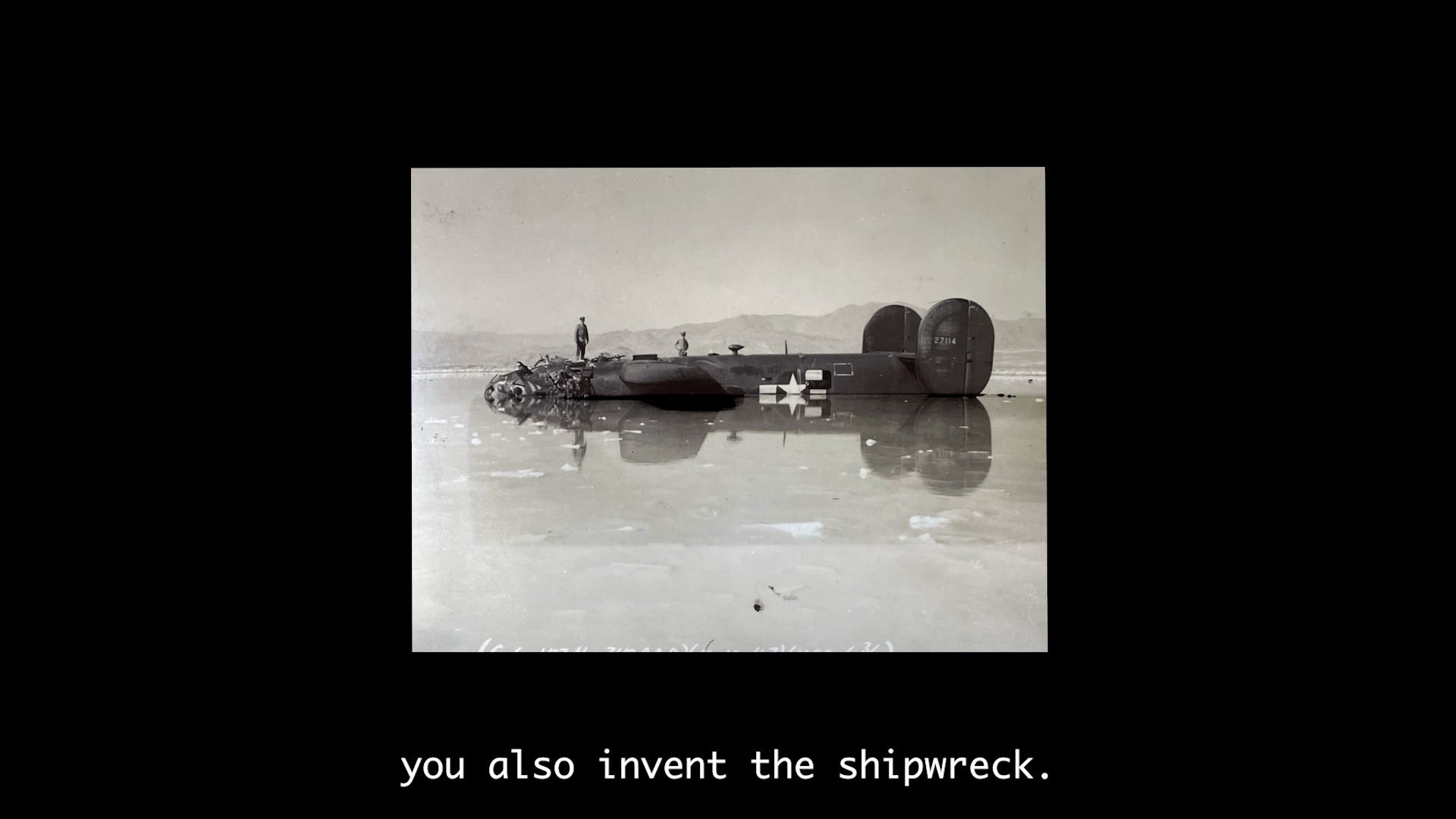
Here in the museum, in the archival photos, the pilots are still standing next to their ships with wild smiles on their faces. I feel an odd sort of camaraderie with them, and seeing myself in them is unsettling.
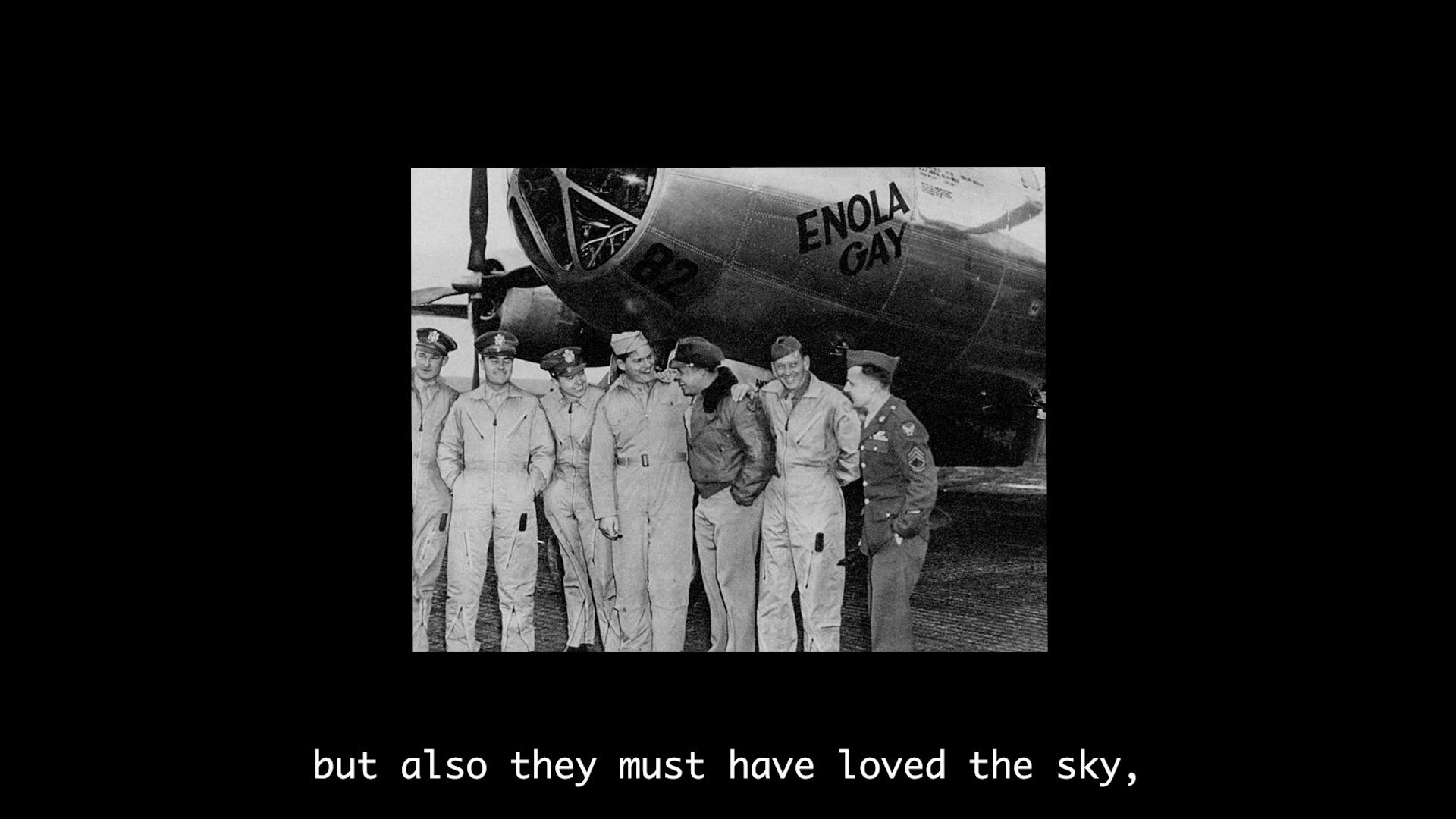
I know they were working towards violence and a destructive end, but also they must have loved the sky, the acceleration, and the act of living together at the edge of things.
I have always wanted to have a frank conversation with my cousin Kyle, who is an Air Force pilot.
I would ask him now: What is it that you love about flying? What is the worst thing you have done for that love?


Anika Todd (b. 1992, Boston, MA) is an artist and educator whose work investigates Western principles of property that authorize human control of earth and sky. Todd earned a BFA from the Massachusetts College of Art and Design and an MFA from the University of Texas at Austin, and currently teaches sculpture at the Sam Fox School of Art and Design in MO. They have created site-specific outdoor works for Sweet Pass Sculpture Park, TX (2024) and NONstndrd, MO (2025), and have presented solo exhibitions at Erin Cluley Projects, TX (2024); Lydian Stater, NY (2023); and Flux Factory, NY (2021). Todd has participated in residencies nationally and internationally, including the NARS Foundation (2020) and the Skowhegan School of Painting and Sculpture (2019). They received an Austin Cultural Arts Council Award in 2019 and were a finalist for the NYFA Architecture/Environmental Structures/Design Award in 2022.

