Open Arms: July 2026
New Infrastructure for Artists
If the past few years have made anything clear, it’s that support for artists continues to erode. We cannot trust the traditional institutions that claim to protect our work, and many of us are interested in building new systems that perform better for our needs.
At Art Forearm, we’ve noticed some new projects that approach creative needs from different angles. We’ve been excited to learn more about them, and we think you will be, too.
Artist Corporations
Created through Colorado’s Artist Companies Act, the Artist Corporation introduces a new legal entity designed specifically for working artists. The team behind Artist Corporations (A-Corps) argues that the traditional choice between nonprofit status, LLCs, or sole proprietorships often fails to account for the realities of creative practice, where intellectual property, collaborative production, and long-term stewardship matter as much as (or sometimes even more than) revenue.
The model separates creative governance from outside investment, allowing artists to retain control over their work while creating mechanisms for building equity, bringing on investors, and planning for succession.
Although filings are expected to begin in Colorado in 2027, the project is already serving as a blueprint for conversations about artist-centered ownership nationwide. Whether or not your practice ever becomes an A-Corp, it’s a compelling example of artists reshaping the legal infrastructure around creative labor instead of adapting to systems built for someone else.
Defending Artistic Freedom
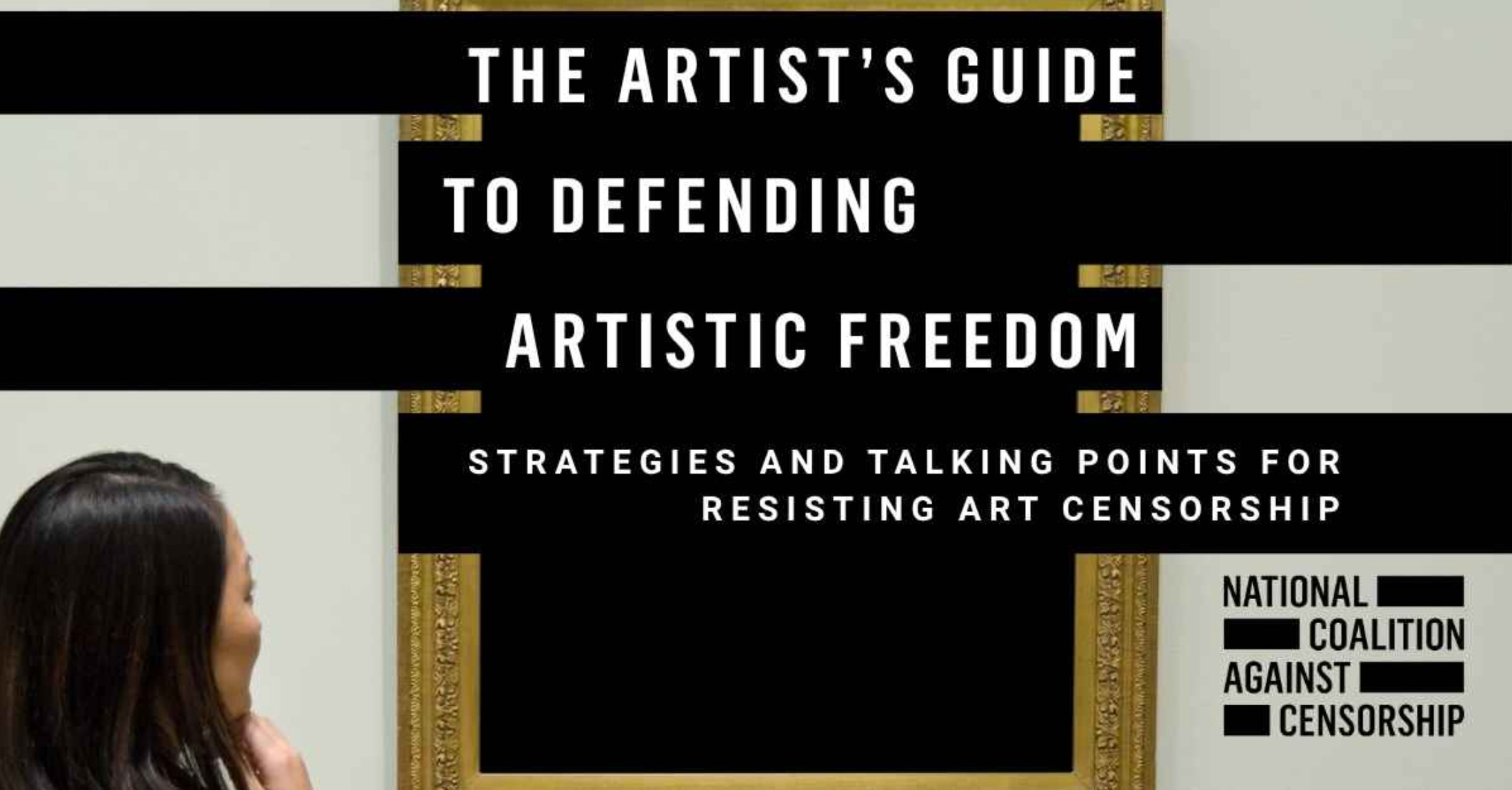
The National Coalition Against Censorship’s Artist’s Guide to Defending Artistic Freedom is designed as a practical field manual for artists.
Rather than focusing only on legal doctrine, the guide walks artists through documenting censorship, understanding First Amendment protections and their limits, communicating with institutions, organizing public support, and deciding when legal assistance may be appropriate.
It also connects artists with NCAC’s advocacy network, which has decades of experience responding to challenges involving exhibitions, public art, education, and cultural programming. The result is a working resource for artists navigating increasingly contested cultural terrain.
Mamdani’s Proposed Arts Budget for New York City
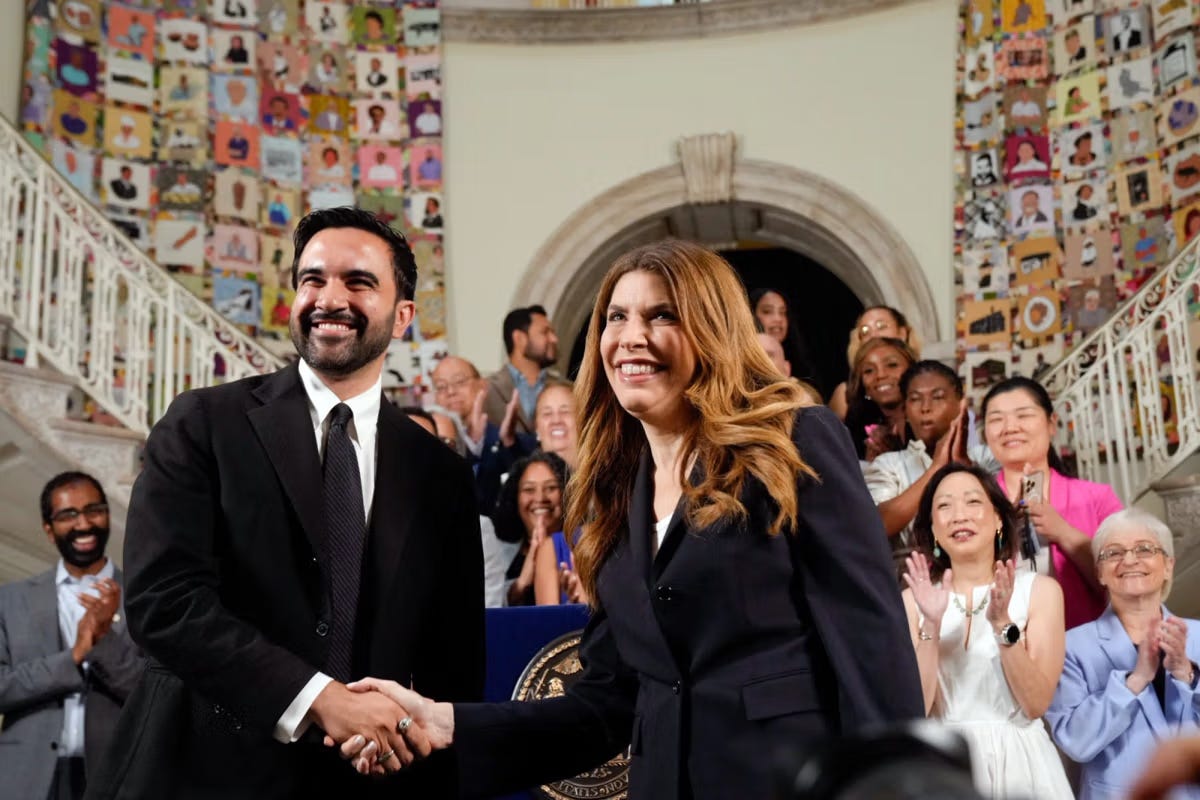
Public investment may not solve every structural challenge facing artists, but it sure goes a long way. New York City Mayor Zohran Mamdani’s FY2027 budget includes a record $323.8 million for the Department of Cultural Affairs—the largest annual investment in the agency’s history.
According to reporting by our friends (?) at Artforum, the proposal would expand support for cultural organizations while increasing direct investment in artists and neighborhood-based cultural programming.
Alongside the increased appropriation, the budget establishes a new Cultural Stability Fund to help arts organizations weather financial emergencies. During a time when artist’s demands are so often placated by symbolic wins, this budget treats arts funding as civic infrastructure, making the case that artists and cultural workers are essential to the city’s future rather than an optional amenity.
When the city’s artists seem to be fleeing upstate in droves and federal arts funding is increasingly precarious, this investment offers a pretty shiny model for what municipal commitment to culture looks like.
Arts First
Founded and led by artists in Chicago, Arts First is rethinking what arts philanthropy can look like when artists help design the system. Rather than operating solely as a grant-maker, the organization describes itself as a collective arts fund that mobilizes resources for creative communities while treating artists as decision-makers rather than beneficiaries.
Its mission extends beyond funding individual projects. Arts First aims to build financial security, shared resources, and collaborative networks that strengthen Chicago’s cultural ecosystem over the long term.
Just launched and governed by a board that includes practicing artists, arts administrators, and cultural leaders—from Americans for the Arts, Sixty Inches from Center, Hyde Park Jazz Festival, United States Artists, and others—the organization positions collective investment as an economic and cultural strategy. In a funding landscape that so often asks artists to compete with one another, Arts First is betting on cooperation, and we love that.
An Oldie but a Goodie
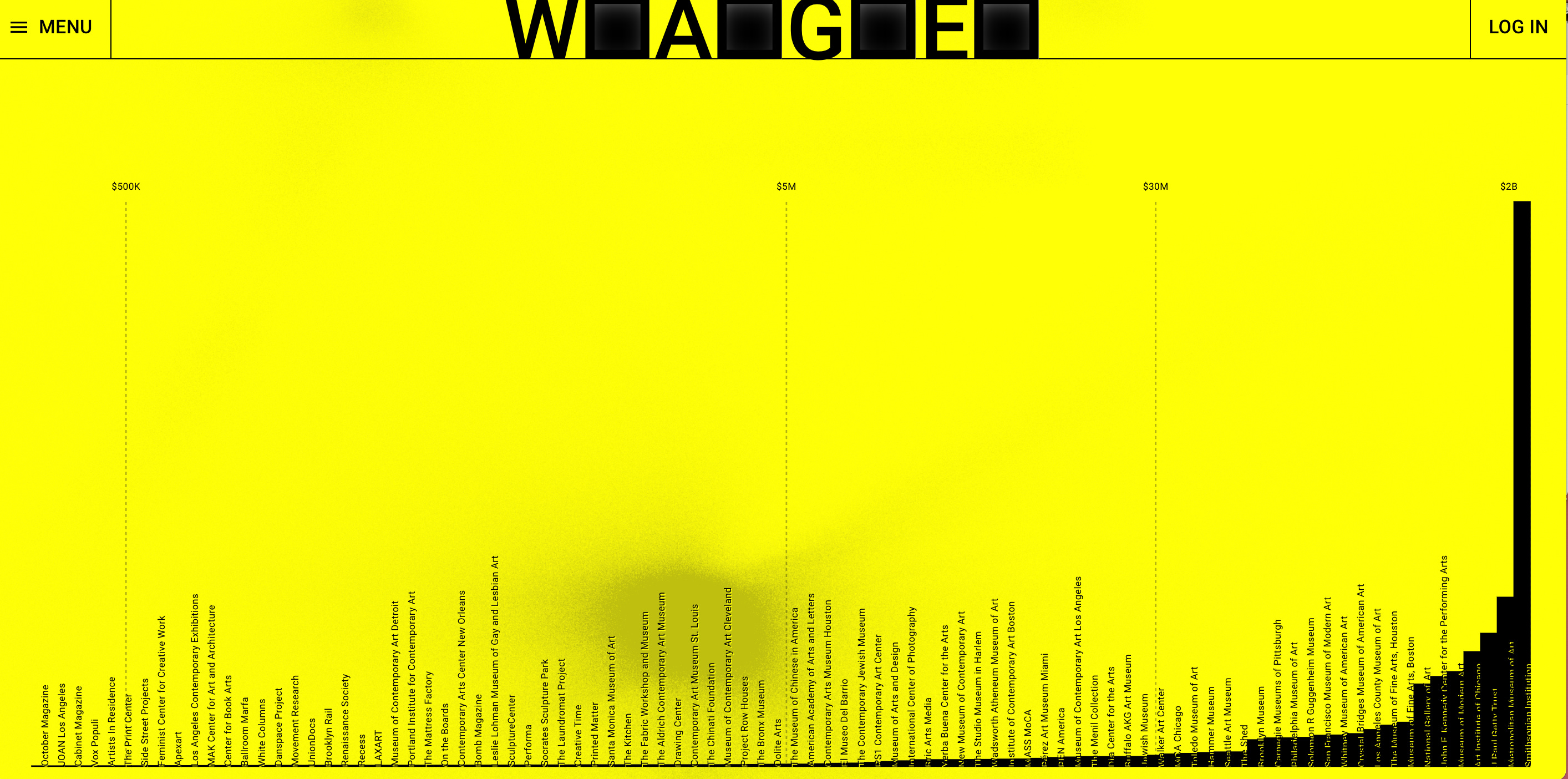
For nearly two decades, Working Artists and the Greater Economy (W.A.G.E.) has been working to replace guesswork around artist fees with standards. Founded in 2008 by artists and independent curators, the New York-based organization advocates for fair compensation across the nonprofit arts sector, treating artistic labor as labor—not as an honorarium, an opportunity, or a favor.
The most immediately useful resource is W.A.G.E.’s Fee Calculator. Instead of asking artists to invent a number out of thin air, the calculator generates recommended minimum fees based on an organization’s annual operating expenses and the type of work being commissioned—whether that’s a solo exhibition, artist talk, performance, publication, screening, or another form of artistic labor. The larger the institution’s budget, the higher the recommended fee, reflecting the principle that organizations with greater resources should pay artists accordingly.
The calculator has become an important reference point for negotiations, grant budgets, institutional planning, and conversations about equitable compensation across the field.